Classification and Characteristics of Printing Inks

Spray painting inks can be divided into water – based inks and non – water – based inks according to the solvent. Water – based inks can be classified into pigment – based inks, dye – based inks and thermal sublimation inks by colorants. Non – water – based inks can be divided into oil – based pigment inks and solvent – based pigment inks. From a chemical perspective, oil is also one of the solvents. We collectively refer to them as non – water – based inks. In addition, there is another type of ink, ultraviolet (UV) curable ink, which is rarely mentioned in China nowadays. Inkjet inks can be roughly divided into these 6 types.
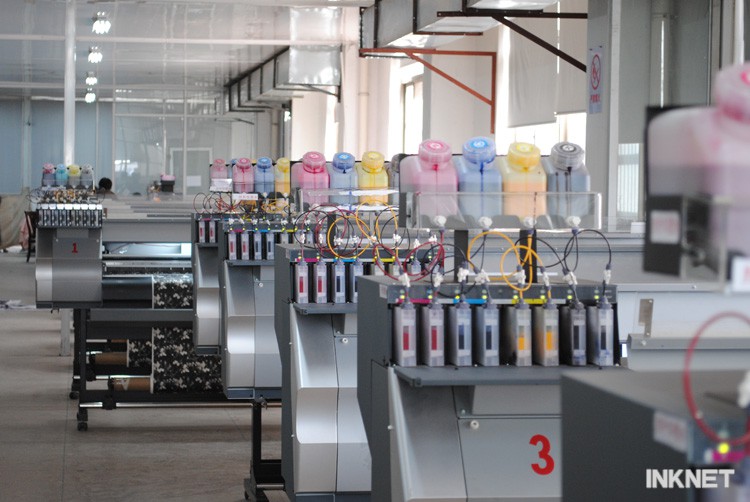
Advantages and disadvantages of various spray painting inks:

(1) Water – based dye inks: Their advantage is that the colors are bright. Since they are made with water, the water evaporates without causing any harm to the environment, making them relatively environmentally friendly. However, they have the disadvantage of fading easily and are generally only used indoors.

(2) Pigment inks: Their advantage is good light resistance; the disadvantage is that the colors are relatively dull.

(3) Water – based sublimation inks: Their advantage is that they can be transferred to different media, not just paper. For example, ceramics, glass, and many other types of media can accept the transfer. The disadvantages are that the operation process is relatively cumbersome and the price is high.
 
(4) Oil – soluble inks: Since oil – soluble inks are made with pigments, they have the advantages of being odorless and having good light resistance. Their disadvantages are that they are expensive and must be printed on coated media.
 
(5) Solvent – based inks: Being pigment – based, they have the advantages of good light resistance and water resistance, and can be printed on any medium. The disadvantages are that the oil bases used in these inks are flammable, making them dangerous goods. They also have a strong odor and cause certain harm to the human body.
 
(6) Ultraviolet (UV) curable inks: Their advantage is that the ink itself does not contain volatile solvents. After curing, they have excellent light resistance and water resistance, so they are very suitable for the printing industry. The disadvantage is that before curing, some of their monomers can easily cause allergic reactions in some people.
 
                                                                                                           Reprinted from 中喷网

Leave a Comment

Your email address will not be published. Required fields are marked *

Scroll to Top